Audio
Episode Summary
We live in a world of unprecedented convenience. Many of us can do our jobs entirely remotely. We use our smartphones to do a million different things. Electric cars are commonplace. And you can pretty much get anything delivered in a matter of days, if not hours. There’s no doubt that when it comes to commerce and communications, things have never been easier.
But outside of those areas, particularly when it comes to personal relationships, many people are finding modern day life to be anything but convenient. Some people have struggled with making friends or even realizing that they need them. And in many cases, the organizations that used to help us build relationships, like churches and community organizations, are no longer relevant to many of us.
On the romantic side of things, modern day media, whether explicit or not, has enabled us to know what we find attractive in others, but there’s absolutely no guarantee that we can get what we seek. Sure, dating websites and apps have made looking for that special someone easier than ever before, but actually finding relationships that are lasting and meaningful is often very difficult.
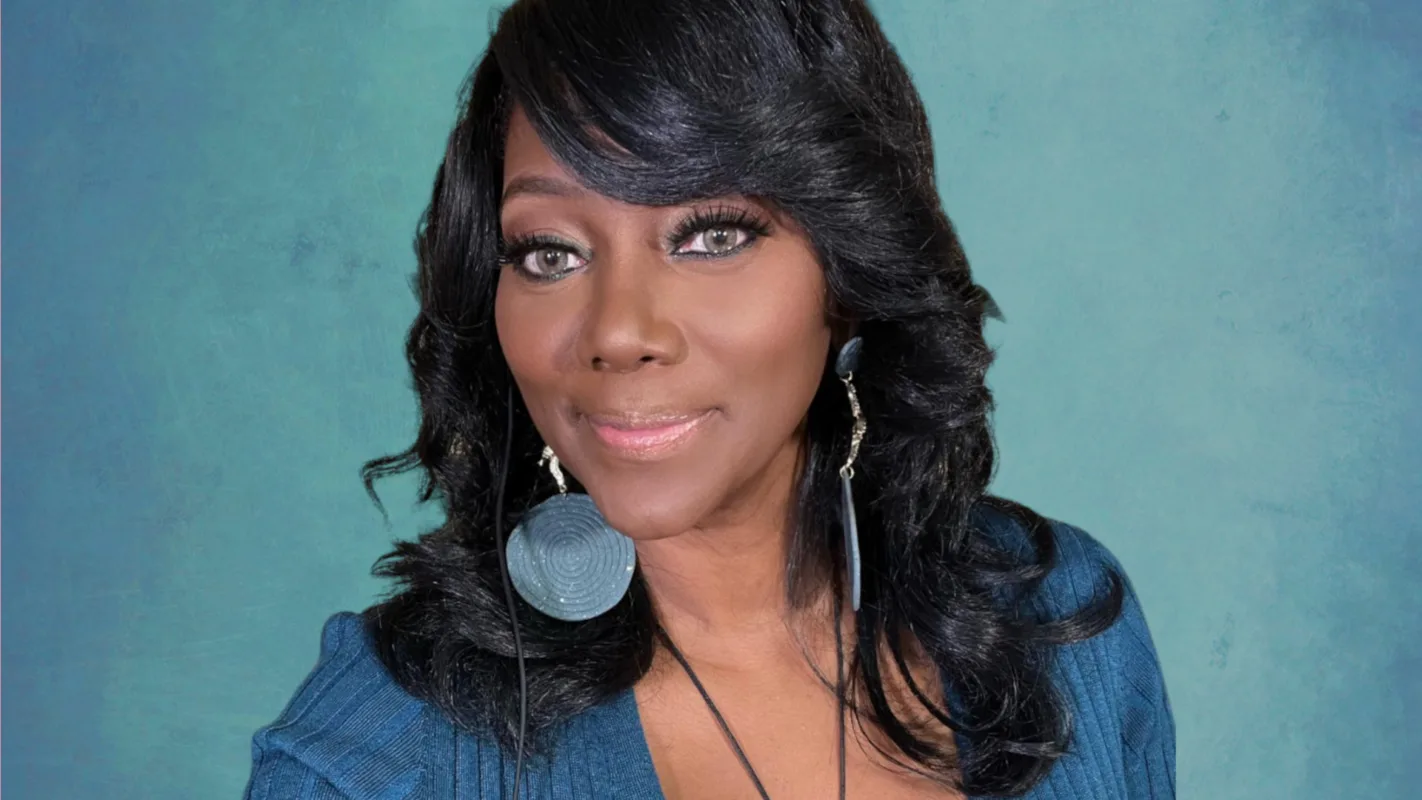
I hope you’ve enjoyed the previous two episodes in this miniseries, and I’m pleased to wrap it up with a conversation featuring Nyomi Banks, a woman who’s seen firsthand many of these trends I’ve just described throughout a very multifaceted public life which began in adult entertainment but has since taken her into a new career as a life coach and personal advice podcaster through her new program, Ask Nyomi: Bridging the Gap.
In order to keep Theory of Change sustainable, the full audio, video, and transcript for this episode are available to subscribers only. The free version runs 30:12 while the paid subscriber version is 1:07:34.
The deep conversations we bring you about politics, religion, technology, and media take great time and care to produce. Your subscriptions make Theory of Change possible and we’re very grateful for your help. Please subscribe via Substack or Patreon to get unlimited access.
Audio Chapters (Full Episode)
02:57 — Ask Nyomi: Bridging the Gap’s unusual audience
11:53 — Being spiritual while working in adult film
15:48 — Entering a new career to help her father
26:21 — A brief brush with racism in the porn business
34:29 — Why didn’t she see as much racism as others have noted?
38:46 — On “gay for pay” in adult media
40:42 — Has porn made it any easier for regular people to be non-heterosexual?
43:25 — On being spiritual but not Christian or religious
44:31 — Starting and stopping an OnlyFans account
50:48 — Continuing her fan relationships as a lifestyle podcaster
57:33 — Why anti-porn attacks are about social control
01:00:17 — Why you have to love yourself before you can do anything else
Transcript
(Computer generated so may not be fully accurate)
MATTHEW SHEFFIELD: I’m really glad to have you here today, Nyomi. Welcome to Theory of Change.
NYOMI BANKS: Thanks for having me. Thanks for having me, Matthew.
SHEFFIELD: Okay. All right. Well, so tell us for people who haven’t heard of [00:03:00] your show, what’s the angle with it and how often do you come in out with episodes?
BANKS: Ask Nyomi Bridging the Gap podcast actually started off with just Ask Nyomi, and it was segments that I had I had a radio show on SiriusXM called “Chocolate Radio,” and that’s why I opened up to the audience to where they be able to write into me to ask questions about sexuality about their preference of being in a relationship with a woman or a man, kind of to break those stereotypes between each other, but also give them to where they are comfortable with having those talks about sexuality or their sexual being. Where Ask Nyomi: Bridging the Gap came from, it came a little bit from there, but also because I’m a very spiritual person. My background that I come from that’s a part of my life, it’s not my whole life, but a part of my life for the past 10 years of my life, probably a little longer, 16 years, let’s say I’ve been an adult film star and from there I’ve learned a lot from there, but that’s where I truly was able to [00:04:00] connect spiritually with myself.
And so, Ask Nyomi: Bridging the Gap podcast is a space and a place for safe space for people of different lifestyles of people of different understandings from different backgrounds to be able to conversate about certain things, whether it’s love, sex, relationship, cultural differences, and even spiritual uplifting.
A lot of things that I really want to teach a lot of people or really to encourage them about self-love, because we can’t do anything without self-love period. I can say probably 90 99 percent of us truly need to be here and I’m going to say 100%. We are in a broken world. We are in a broken state right now.
And this is all over the place. I think social media gives us a lot of times it can be both a positive and a negative, but it gives people voices to speak, but also it gives people A way to harm people as well. My thing with is Ask Nyomi is to bring all of those different cultures in together where we can understand each [00:05:00] other, but also teach each other on how to speak to one another, how to serve one another, how to treat with one another and lead with love.
SHEFFIELD: So, we had talked before that you had said that your audience, is, tends to be more male than female.
And that’s, and that is interesting because, you don’t see a lot of podcasts that are, watched predominantly by men about. Sex, love and relationships much less hosted by a woman. And so, you’re, you’re in an interesting spot there. And I mean, how has that, how has that, how has that been for you?
Sort of talking about this. I mean, you’re obviously a very articulate and, and well-spoken person. So, I’m sure you, you’ve handled it very well, but like, have, has any of your audience. they, because like a lot of, a lot of podcasts out there that do talk about lifestyle stuff with, with men tend, obviously tend to be male hosts.
And they don’t, some of them can be toxic, I think. I mean, what, what’s your, what’s your take on all that? [00:06:00]
BANKS: Just the way that I approach it. And I mean, I am. An adult film star. So, I don’t stand in judgment on anyone. That’s one thing that people can say, well, her lifestyle or her career choice that she may, she really doesn’t have a leg to stand on to judge anyone.
And so that gives people a safe space to be able to come and talk to me because I’ve already been through that, or I’ve done those things. So, where I won’t look down on them. As for men, I am more comfortable. They are more comfortable with me. Because yes, once again, I’ve been in front of the world in a very vulnerable situations being nude, having sex on camera.
And so, for them, I will be the ideal person to have that conversation with them where they won’t be embarrassed, rather than a regular woman, everyday woman, if that makes sense. So, for them to be able to speak to me, those walls are down for them. Because I wouldn’t laugh at them. If anything, I will help them to understand what it is that they’re feeling or better yet, give them the right [00:07:00] verbiage to be able to speak to someone about some of their desires that they need.
And so it’s more of an open communication coming from a non, a nonjudgmental way.
SHEFFIELD: Yeah. Yeah, no, that makes sense. And I mean, and it seems like to me that this is kind of, An extension of what you were already doing when you were working in adult film so that like I went to a book event from our guests on the previous episode, Tasha Reign, and I was just struck at how wholesome these interactions were that she was having with her fans. Like they, they did feel a sense of connection with her and were extremely respectful. And, and we’re interested in what she had to say. And I, I, I mean, I assume that’s how it is, how it was for you when you were in, in the adult film industry. Is that right?
BANKS: Yeah, somewhat it is. I guess the thing is, is truly breaking that stereotype that they put us in. That they demonize us as adult film [00:08:00] performers, stars or whatever you want to call it. The thing is, is that we have to remember that we always created through this action of sex. The thing is, is that we need to learn how to be comfortable in search and find to be educated.
So not only for ourselves, but for our children as well. A lot of people walk around with shame. The majority of the people around in society are shamed about the word of sexuality and sexual being because they’re not educated on what it is and what it is for us as a human being. We are sexual beings. We are spiritual beings, but we’re not taught those things.
We’re taught either one way or the other. I think for me, when I hear people say that’s unique that you’re doing that, and I’m like, why is that unique that I’m doing that? I’m a, I’m a person, I’m a human being That’s speaking everyday things. Why is it different coming from my mouth?
Because what, because I chose to [00:09:00] have sex on camera. That makes me different than another human being in that aspect that I don’t have the same mindset or thoughts. And you understand what I’m saying? So I guess with that process is like breaking that stereotype of what a porn actress star should be look like smell, live like. Like breaking that whole stereotype of that, that’s one of my reasons why I did ask Nyomi Bridging the Gap podcast too is so people can look at the human side of us, period. Yeah.
SHEFFIELD: And now what about the women who are tuning in to your show like what do you hear from them?
BANKS: I was surprised. As I continue on with the show and with my website, I mean, I have more women come in and they’re more comfortable. I’m not I’m not as intimidating as I probably was before, and it gives [00:10:00] them a voice to be able to embrace their sexuality and not be ashamed of some of the feelings that they have.
And also, it’s the battling with the spirituality too, and knowing that It’s okay to feel this way, sexually in that way. It’s just educating yourself on what that is and making sure that you’re not harming yourself and no one else while doing that. But with women, I empower them. I encourage them to live in their truth, whatever that truth is.
SHEFFIELD: Yeah. Now you said you people thought you were intimidating before. What do you, what do you mean by that? I’m curious. That women thought you were intimidating.
BANKS: It’s the stereotype. The stereotype of, because she’s a porn star, the thing is that I will be having, be doing something every day. Be having intercourse every day. That’s not the, I don’t, I don’t do it when I’m filming. That’s it. But in their mind, it’s a stereotype that this is what porn stars do all the time. It’s like [00:11:00] drugs and rock and roll. No, I don’t do drugs. That’s that wasn’t it. The sets were very professional there was no drugs and no alcohol on none of the sets.
For me, I’ve always tried to be very welcoming to anyone, both man and woman, because beauty comes with within. It’s not always, on the outside, it comes with within. And so I see, women as all women are beautiful.
Especially if you have a great attitude, get a great spirit and you’re beautiful to me, no matter what.
SHEFFIELD: But I think a lot of people haven’t learned that. I think a lot of people haven’t learned that. And so because they haven’t learned that they judge things only on the surface about other people.
BANKS: That’s one of my, one of my things that don’t judge a book by its cover. Take time to read within the pages. I’ve lived by that all of my life. Yes.
SHEFFIELD: Okay. Awesome.
Being spiritual while working in adult film
SHEFFIELD: Yeah. Well, so now you, you mentioned on here a few times about how, you’re a [00:12:00] very and you mentioned that on your show a lot, that you’re a spiritual person and you were born and raised in Chicago as a, as a Baptist. And you’ve talked about, you had a episode recently about with a woman who’d written a book called Sex, God, and the Conservative Church.
And so now, but so like that was something that you yourself had experienced. Can you talk about that a little bit in your own life?
BANKS: Well, one thing I found out while I doing my research is that Christians was the number one, was the number one consumer. (laughter)
SHEFFIELD: Oh, yeah.
BANKS: That I did find out. And number two when I did get into the industry, I did not realize that a lot of my family members were avid porn consumers. I did not know that because I didn’t watch porn myself. So, I did not know that.
When they did find out what, there are a lot of, yes, there was a lot of shame. There was a lot of talk. There was all of that. I even had some family members and friends that stopped being my friends and family members because of [00:13:00] my job career they didn’t look at me as the person, they just looked at me–
SHEFFIELD: Who they already knew.
BANKS: Yeah. They didn’t look at me as that. They just looked at me that I chose. And so it had to be a reason why, and the reason was never the reason why I said, which is my truth.
The reason why she must be doing drugs. They know I’ve never did drugs a day in my life. You know what I mean? Or it was this or is that, or it was her boyfriend then.
I’ve never listened or anyone. They knew no one could ever tell me what to do, but this was an excuse that they had to give to themselves because they were seeing me doing something that they did not want me to do or was not acceptable to them. And plus us being a family that’s in church Christians, Baptist, this is something that we just don’t do.
Now let me tell you this. I did respect that of their choice and decision because that’s what they felt. What I did is when I got into the industry, I did not go to church. The only time [00:14:00] that I went to church was either it was a funeral or it was a wedding. Otherwise you would not see me in church at all during the whole time that I was in the industry, because that was one thing that I did not want to do. I did not want to disrespect God’s house.
And I knew me growing up in church with family members and stuff like that. And I’ve always been a praying person. I’ve had a praying grandmother who taught me how to continue to pray and even through my seven eight well six years six and a half years of active being in the industry in front of the camera. I prayed every day whenever I had a set I was on my way to set I would pray.
So I’ve always had god with me spiritually, I’ve always had that with me. So I knew that what I was doing I wasn’t wrong for it was a choice that I felt that I needed to do at that moment in time for survival for myself and my family And I’m not ashamed of it.
And I remember all of those prayers that I did. I always asked God when it’s time [00:15:00] for me to go, when it’s time for me to leave this, this, whatever’s happening here, then give me a sign and let me know. And that’s what he did. And I left in 2012. I was able to leave at the top of my game. And I, and I left and I left and I continue to be in the industry doing radio and other things, but being hardcore and being in front of the camera, no, I stopped doing that.
I stopped allowing being on set, having sex that all that was gone. Now it was just me now trying to figure out what’s my next role or what am I supposed to do? After that and then that’s where this whole healing process came come from and this is where I talk about and speak about now on my Ask Nyomi: Bridging the Gap podcast into my “Elevate Me” self discovery program.
Entering a new career to help her father
SHEFFIELD: Yeah, and well I and you mentioned your reasons for getting into the business. Do you want to talk about those a bit?
BANKS: The, the reason why I got into the business was because my father was [00:16:00] very ill, and I had just literally I probably been in in LA probably for about six almost a year about eight nine months I was in LA.
I had packed up moved, resigned from my job, you know just was going to LA to make it big. I was a producer, director, screenwriter, all of that. Like, I’ve done music, all, that’s what I was there for, to make it big in that. And
SHEFFIELD: And how old were you at that time?
BANKS: Oh, at that time, I was like 29, 30. I was a grown woman. I was 30, wait, no, I was like 31, 32. I’d just gotten a divorce, so I’m grown with a family. And so I’m at, I’m there at my home, and my mom calls me and she said, well, your dad’s very ill right now. And I was like, well, he was sick before I left, but this time that he needed 24 hour care, nursing care all around the clock.
And her insurance wasn’t paying for it, would[00:17:00] only pay for a portion and she still had to pay, her rent, her house, her apartment, I mean, her home and her, she just had to live and I still had a little brother, a younger brother that was there with her as well. And they just had to live. And so she was asking me if I will come back home to help.
And that means to come get a job there and, work from there to, to help with it. And so I told her, well, mom, let me call you back. Let me see, see what I can do here. And so I knew I was kind of making momentum in the mainstream thing with doing, different shows and movies and stuff like that, that I have been doing.
And I really didn’t want to leave LA because I figured that this is where I was going to be. This is where me and my, my family was going to be, but I still wanted to be able to help my parents back at home. So I had previously did some new modeling, playboy, penthouse, overseas and stuff like that.
And it paid pretty well. And so I had answered this ad in a paper for figure models and I went [00:18:00] to go see Jim South. Jim South was one of the, the big well, now that I know who he is back then, I didn’t, I just knew him as Jim South, but it comes to find out he’s one of the, he was one of the biggest adult Actresses agency.
Actually, he was the one who signed Tracy Lord. So when I went to him, with my, I had my whole, my whole book portfolio and everything with him to show him that. And we took pictures and he said, you would do great in video. And I was like, well, no, I’ve done music videos. And I really didn’t want to, kind of get that because I knew what kind of money that I wanted, that I needed to be able to help them.
And I knew once you get published, Okay. Someone sees you, then you, you own that. Everybody that wants to, shoot you again and again and again, and that brings more money. And he said, no, you would do really good in video. I’m talking about adult video. And I was like, well, no, I’m not interested in that at all.
Like, no, no, I’m not. As I’m walking out of his office, I walked past another office to actually one of [00:19:00] the, one of the young ladies. I actually did mainstream modeling with her. We were on the scene together doing modeling, but her then husband, he was in there and he told me to come on in and I came in and I spoke to him and I gave him my portfolio and he want, he as well said, well, you should do some video.
And I, again, thinking music videos, I said, well, no, I’ve done music videos. I really don’t, really, he said, well, no, I’m talking about these. And he pulled up a CD. With the pictures and it was a porn video. And I was like, well, no, I don’t do that. No, I don’t do that. So I went home, forgot about all of that.
Then my mom called me again. And she said, have you made a decision on what you’re going to do? Because we really need your help. And so I said, well, give me a minute, mama. Let me, let me figure some stuff out. And the little money that I had from, I had did this this residual from this EA Sports gaming that I had did, and I had sent her the residual for that to hold her off for a [00:20:00] minute. And I said, and then I started doing my research, but let me go back.
So I had to do this job in New York. And I flew to New York to do this job in New York. And on my way back, I was watching, how back in the day when they had the TVs in, in, on the, on the plane. So I was able to watch the documentary on Jenna Jameson and I was watching her and I heard her say how much money was to be made and, of course she made it look so glamorous, and I was like, okay, well, maybe let me go back in home and do some research.
And that’s what I did. So I spent a few months doing some research and during that time, I was just sending money back to my mom from the residuals and things that I was making from work that I’ve done previously in mainstream.
And when I did my research and I found how much money that it was making, I found out how much of a big brand that I can truly create. And then I just started going from there, mapping out what I was going to [00:21:00] do. And then I went on and did it. I called looking for an agent. I had a friend of mine who was a photographer.
He came in and took my pictures. So I kind of went in and knew what companies I didn’t want to shoot for, what companies I did want to shoot for. What kind of image did I want it to put out there as a woman of color being in this industry. So to myself at that time, I figured I dotted all my eyes, crossed all of my T’s and put the exclamation points on all the bottom.
So going into this industry. And I will be protected as much as possible as I as I could be with the testing at that when I came in at that time It was you had to have mandatory testing before, you know anything so I went through that process and did that and so it was very welcoming.
Everybody was very welcoming when I came in, so then I finally went back to Jim south and he was like, okay. Then he sent me around to everybody and then I was offered a contract. And then from there, my lawyer at that time we discussed and he was like, well, you know you’re not really [00:22:00] trying to be in here long term, right? You said you only had a five year plan for it
And I say yes, he said well, don’t take the contract, go around and do this so you can make that money and then you can go. And that was my idea of what I was, you know thinking of doing but then all of a sudden everything started to blow up. And before I knew it, my name was all over the place and then my family found out and then I’m here now. (laughter)
SHEFFIELD: Yeah, well now what did your parents think when you told them where you were getting the money from? What do they have to say?
BANKS: When they because I didn’t tell them anything they found out so they found out probably like, Maybe about six months, seven, seven months later, seven to eight months later, they found out I had gotten a phone call from my sister and she was crying and I was like, what’s wrong?
I can laugh at it now. And she said, Why did you tell me that it was something going on with you? And [00:23:00] I was like, what are you talking about? She said, I just saw this, and I was like, oh my God. I was like, you saw what? She’s like, yes. And it’s just like, and the family, they’ve been watching it for a while, and it just got back to me.
Why did you tell me? And I was like, because we were really close, and I had been talking to her. And, but my grandmother knew something because I used to talk to my grandmother every day. And what I was doing… In the end, when I was active in the industry, when I first got, I wasn’t calling her every day, I will call her like every three or four days.
And she would ask me, well, how are you doing, baby? Is everything good? And I would just send her money. I would, I would just send her money. I would just send my mom money. So they just, thought I had did a, a couple of shows that they had saw me on. And so they was like, okay, so this is where the money is coming from.
Not knowing that. That really wasn’t no money, but that’s what they thought that it was coming from. So I didn’t say anything until two [00:24:00] family members actually went and took it to my grandmother and–
SHEFFIELD: Ah, okay.
BANKS: Yeah. And that’s how they found out. But when I finally did talk to my mom and my grandmother they just told me to be safe.
My grandmother said, I know, and man, and I’m not going to cry because my grandmother said to me, she said, I, I know you, and she said, I know there’s a reason on why this has happened. She said, I just want you to be safe. That’s all she said. She said, I just want you to be safe.
My mom said the same thing. My mom said, I am not here to judge you. That’s what God does. That’s not me. And then she asked, do y’all really have sex? (laughter)
And then from then on, I knew if I had them two and my dad. And my sister, if I had my, them, my immediate family in, in there, then would anybody else say, that that didn’t matter.
I had my support system with them and would surely help me through, because ,I see a lot of the young women that’s in the industry that don’t have [00:25:00] that support system that I had, and I think that surely would, would help make me, create me as being as strong that I am because I did have that support system.
On my show, I had probably one of the first ones to kind of cross over, that kind of had the melanin like I do, was the beautiful, iconic Dominique Simone. She was one of the first one, her, Heather Hunter, Jenna Jackmead (sp) those were, they were more in the golden ages back in 80, 88, 89 in the late 80s, 90s.
That was the old golden era When I came in, I kind of had my own look in, certain things. And I came in right when the internet was going. When I was speaking with Dominique yesterday, she thought I was in, when she was in, she was like, how your name was so big and you only came in, in 2006.
I say, yes. I said, because I came in at 30 something years old. I knew exactly what I wanted. I had researched all the companies that I wanted to shoot for. And then I was just blessed to be on set with some people that [00:26:00] looked and said, okay. You’re supposed to be over here. And they took my hand and took me over there. Meaning, they helped lead me over there to meet other people. And, and I knew when to say no and I knew when to say yes. I knew all money wasn’t good money. So there’s a lot of things that I shot and a lot of things that I didn’t shoot.
A brief brush with racism in the porn business
SHEFFIELD: Obviously One of the issues that you were dealing with, you know was being a black performer in an industry that especially historically had had a lot of well, frankly, racist business practices. How did you feel about that going into it? And how was it for you when you were in it?
And how do you feel like it, things are now for today’s that’s a big question. I know
BANKS: I’m going to, I’m going to try to break it up. And when I, when I got into the industry I remember a friend telling me that it was going to be hard for me as an older black woman. [00:27:00] And but even though I didn’t look that age, so I even had a fake ID that had me 10 years younger.
And I remember first saying that I was that, that old. I think at that time I was. Like 31. So I said, I was like 21, 22 or something like that. It was, it was,
SHEFFIELD: That is hilarious by the way. That is fucking, that is hilarious. I love that.
BANKS: So, I remember sitting down with Video Team and I remember this beautiful woman that worked for video team. Her name was Kim. I remember she set me down when I first went and she sat down and she told me the rates. She told me what I should be asking for. She told me this is who you are. This is where you should be. Don’t ever let them put you down here in this one, she said, because they will do that because you are a black woman.
She said, No, you get you get those same rates that those other women get. And what she meant is the other white woman. She said, because you are a box cover girl. At that moment in time, I didn’t know exactly what it was. [00:28:00] But it’s, you are a box cover girl. You are, this, you are that. And so she let me know from the get go on how to know what my worth was.
Because I can have that all day on a piece of paper. But once I walked into it, then now I see what it is. And so, actually my very first movie, I was on a box cover. I was the Black Girl Next Door. (laughter) That was the name of the first movie that I did. And they had me on a box cover of that. And from then on, I was on a lot of box covers from there.
I was doing a movie for, and this is the first racism that I’ve ever experienced that we, I was in a movie with Wicked and it was called Manhunters and they were actually looking for me to, they was doing a red carpet event affair there and they wanted to invite me out. As well as some of my friends.
So they want to send a limo for me and all of this other stuff at that moment, that time, the agent that I had, [00:29:00] he picked my friends for me. Matter of fact, he didn’t even tell me about it. I have found out from a third person that they were looking for me to appear so I can do the red carpet event.
And I remember being in this limo. It was myself and it was two other young ladies. Actually, one of them did become one of my good friends. One was Latino and the other wasn’t was a white girl. And then it was a publicist, my lawyer at that time and my agent and we were all in a car in in in the limo.
And I had asked him, I said, So why didn’t you Let me know about this, this red carpet thing. He said, well, because they, they sent it for me. I said, oh, they sent it for you. I said, so are these women, are they in this movie? And he said, no, but they sent it for me. I said, that’s not what I heard. I said, I heard that they were looking for me.
I heard that they told you to get in contact with me and for me to invite some of my friends.[00:30:00]
He said, well, how dare you talk to me like that? Mind you, I’m a 30 something year old with two children and just divorced. There was no way that I was going to allow anyone, any man to talk to me in that manner.
I said, well, no, honey. I said, I’m a grown woman and I understand my work. I said, this is what I heard. I didn’t tell him who I heard it from. But I told him what they said, and then this is what he told me. He said, you need to be happy, you being a black woman at the age that you are, that you are able to work.
Excuse me? Wait, say that again? He didn’t say it again, but everyone in the room was like, hey! And was like, oh my God. And I said, okay. Watch this. We got out of that, that thing, and I did the red carpet and I worked that red carpet and I left that agency and then I just was doing my own thing. I signed with another agent, but when I signed with that [00:31:00] other agent, I told him, whatever you get me, you get the percentage, but I’m still working on my own.
Mm-hmm. , so like that. And I just kind of like did my own thing. For me, it wasn’t as hard as I saw a lot of young ladies went for it because I had a voice. I was, I would talk, I would speak up. A lot of them didn’t because they did have agents that they were working for that did not respect their voice.
I was lucky for the next one, Type Nine, I was with them. He respected my voice. I mean, he understood. Okay. I know this, this woman, she’s always on time. She always has everything in order. I don’t have to worry about her at all. So I’m going to let her, plus she makes me look good as well, so we never had that.
For me, that, that was it. I mean, I know that in times where, awards came out, a lot of us women of color was not handled right. And I’m not even speaking of myself. I’m speaking of some others that I felt that should have won [00:32:00] awards because I think they did a damn great job of performing and acting.
I’ve heard stories and rumors that I was cheated out of a previous award as well, but I don’t ever look at it like that. I was honored to be nominated for these awards and that’s it. And I just keep, moving on. There is racism everywhere. Is that a good thing? No. We just have to find a way to be able to remove that, that racism from all of us, period.
And that’s another part of actually I’m a bridging to get podcasts on my podcast. I have everybody from white. I have people over in Pakistan, in Europe, in England, Africa, that tunes into my show and they talk to me and they speak and they listen and there is no racism in that, it’s just, it’s hard to look at how things are in this day and time.
I don’t have any sons. But I have black nephews and, and, [00:33:00] and cousins. And the way that society is now, it hurts me that they are wanting to erase our history, a history that my ancestors have built, for free. I hate the stereotypes that all black people are lazy because how are we lazy when my family was in those fields and building things again, not paid.
I don’t like the fact of it’s just not white people that are have racism gets us. It’s other ethnicities that have racism against us because of what the white man has trained them to say or do or what they feel. Should we judge someone on their color? That’s beautiful across the board that that’s so.
SHEFFIELD: Yeah, no, I know I get to what you’re saying. And actually a lot of that scholars, they talk about the idea of whiteness as, as a malleable thing. Like, it was because, for [00:34:00] a large part of American history, if you were Italian, you were not white, right? If you were Irish, you were not white. And, and, and so some people have this idea that they can sort of, be included as a, exceptional or token person.
I’m not like those other people, whether it’s I’m not like those black people or, me as a whatever race and not like those black people. Yeah. So now I guess so.
Why didn’t she see as much racism as others have noted?
SHEFFIELD: Are you saying then that you think because you did have that you, you were, that everybody knew that you were somebody who would stand up for herself that you didn’t really necessarily experience as much as other people that you know of?
BANKS: No, I didn’t. I mean, I know I didn’t. I didn’t. I…
SHEFFIELD: Because you’re going to kick their ass.
BANKS: At least, yeah, that’s what they thought, I did outside of Chicago came out of me. I stand 59 flat foot, but it heals. I’m probably [00:35:00] like 5 10 6 foot. So I’m a pretty big, big, pretty tall woman. That’s very boisterous.
Of what I want, especially what I know was something is right. And so I, in that aspect, I did have respect it. In that, in, in that way. So, but for it to, to honestly this is the first year ever in avian history that a black woman has one performer of the year award. And this is in 2023. Yes.
K I K I R a Nora, something like that. Something like that.
SHEFFIELD: Oh, okay. Okay. Yeah. Kira Noir or something like that.
BANKS: Yeah. I like that, yeah.
SHEFFIELD: Well, that’s great. Good for her. But yeah, no, like that is an example. Of that. Yeah, you were maybe the exception to the rule perhaps. I mean, so, like, in terms of the women who are currently working that, like, have they I mean, so [00:36:00] you were only so you were in from what, like, 2006 to 2012. Right? I think you said that to me.
Yeah. So, I mean, you had some overlap. I’m sure with people who are currently working now has anybody kind of given you. thoughts about how things have changed since the time you were in the business versus now,
BANKS: What do you mean? As in racism
SHEFFIELD: or yeah, we’re or like sexual harassment as well. Because like, I’m trying to think here, like you were, you overlapped a little bit with Misty Stone, didn’t you?
BANKS: Yes. Yeah, I love Misty.
SHEFFIELD: Yeah. Like, so I’m saying an example of like that as somebody that has continuously been in the business. Like, have they, have you talked with people about it? How things have changed?
BANKS: Well, I hear things. I hear things now. Actually, some of the people that I’ve been, have been on set when they have working relationships with them. I’ve heard that they have been some of the, those that have done, sexual [00:37:00] harassment, type of things. That’s something that I would never want to say, because it never happened to me. But I had heard that, some of these men have done these to these women and which is horrible. There were some, some men that I, if I heard that from them, I will stay away from them. I would not want to shoot with them. I would not want to shoot with their company.
So I kind of, kept my ear to, to the ground on those, on those situations.
But once again, everybody is not that lucky. And even when you are speaking to some of the young ladies, they always have somebody else that’s in their ear to tell you, tell them something different and they’ll be opposed to listen to the man versus listening to you as a woman.
Like, okay, you may, maybe you shouldn’t work with that company or that director, because what I heard was da, da, da, da. And it’s like, no, even though it did not happen to me, I still will voice a, voice my opinion to some people, when I got out, I [00:38:00] did hear some about a few different people and I was very like, wow, I would have never thought that they would do that.
But again they did it, they did it. And, and, and I hate that for those, those young ladies that went through that because that’s. That’s not how it’s supposed to be a safe space, a place for them, even though this is what we do, that’s something that we as a community is supposed to because at that moment when we in that community, it felt like it was us against the world.
And so if we can’t take care of each other, who can we take care of? But who can take care of us? And you mishandle people in that manner. That’s not good. Yeah.
 Unlock with Patreon